


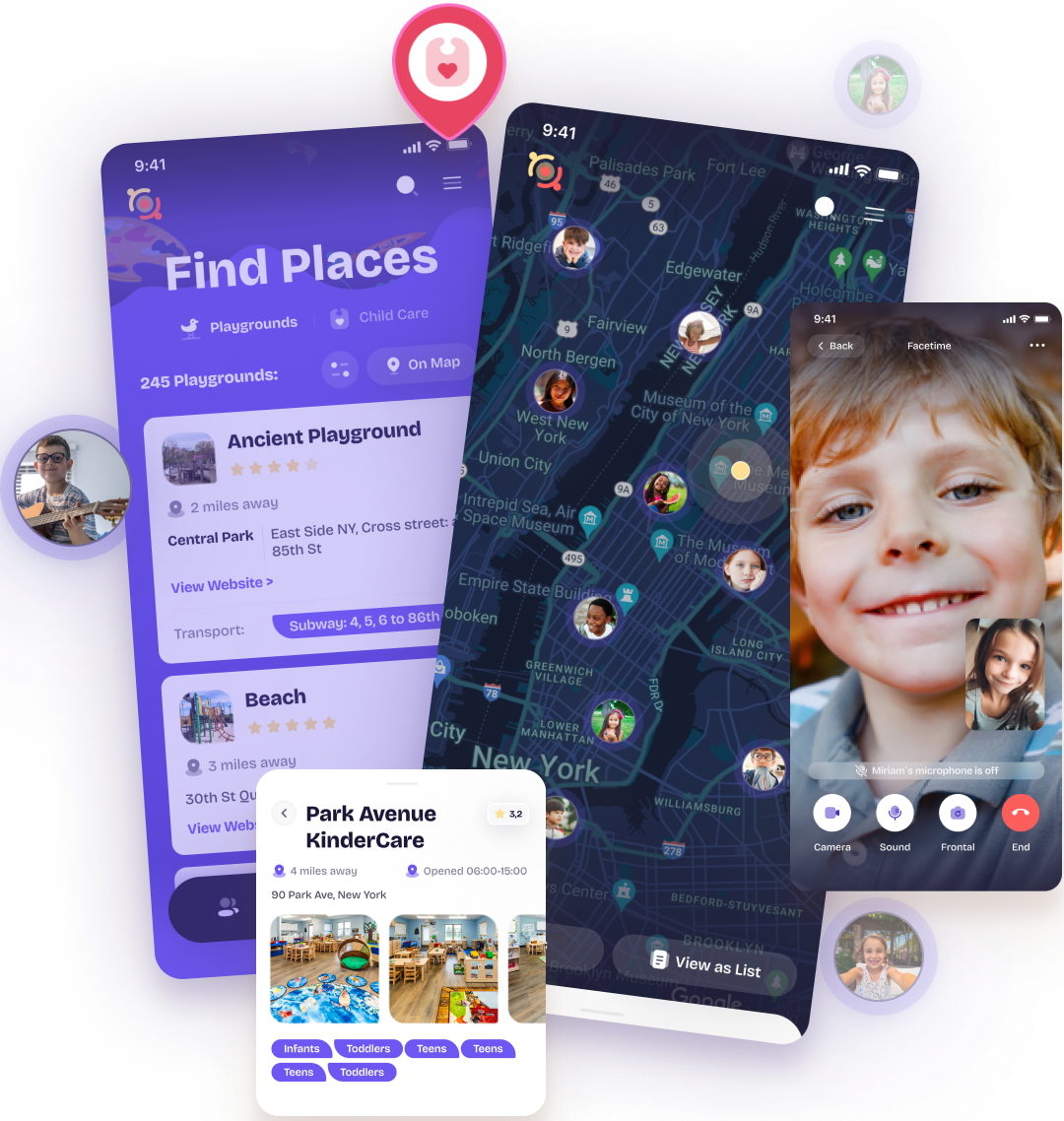



Kid Kulture employs encrypted communication channels, ensuring that all user interactions and data transmissions are securely protected from unauthorized access

The app provides an optional two-factor authentication feature, adding an extra layer of security by requiring users to verify their identity through multiple means, such as a verification code sent to their registered email or mobile number

Kid Kulture has a dedicated team that monitors and reviews user-generated content, ensuring that it aligns with the app's community guidelines. This helps maintain a safe and positive environment for all users

The app includes educational resources and materials to help children understand online safety, privacy, and responsible digital citizenship. This empowers them to make informed decisions and navigate the online world safely

Kid Kulture conducts regular security audits and updates to identify and address any vulnerabilities or potential risks, ensuring that the app's security measures are up to date and effective